




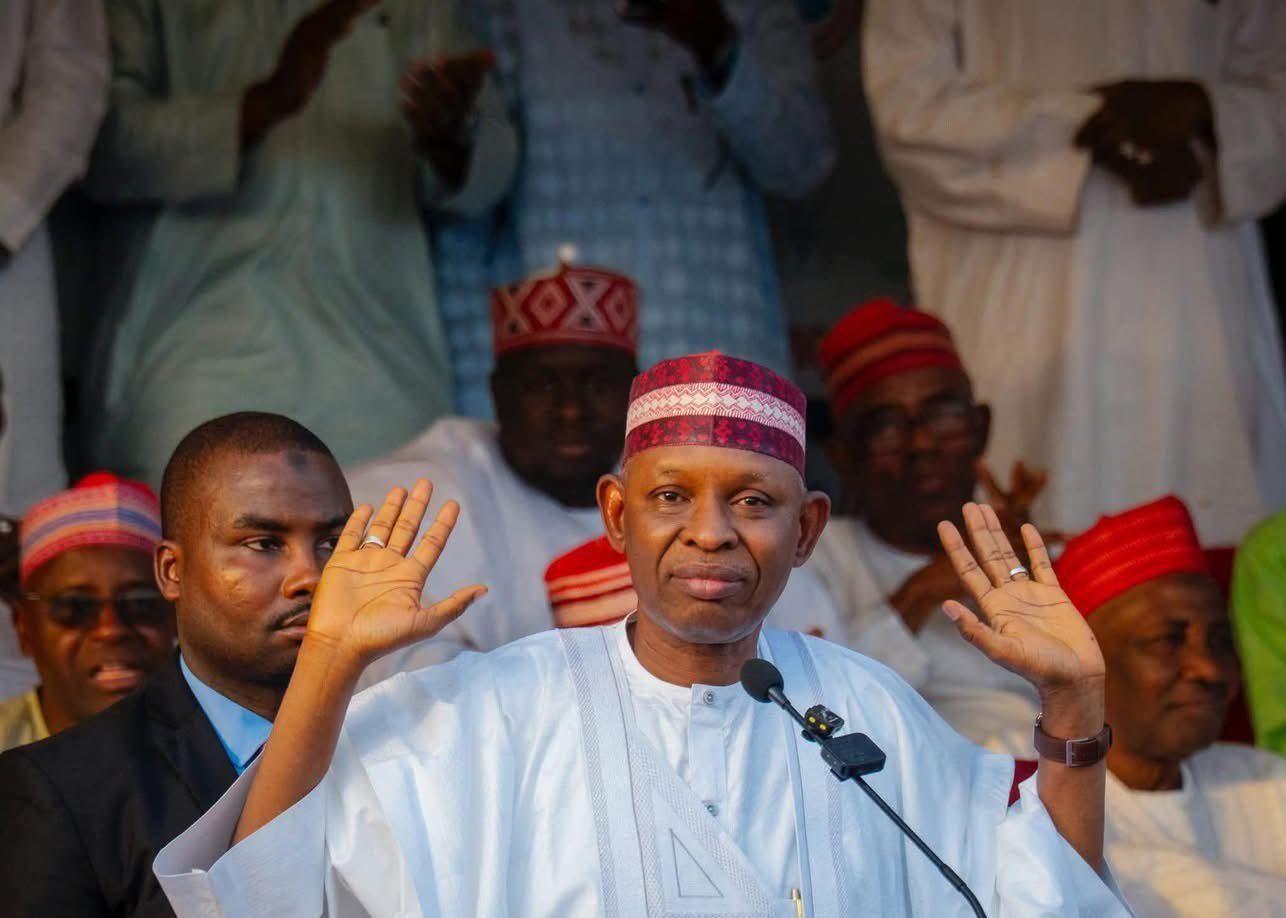
In a move that has sent shockwaves through the Nigerian political landscape, the Governor of Kano State, Abba Kabir Yusuf—popularly known as “Abba Gida-Gida”—formally announced his resignation from the New Nigeria People’s Party (NNPP) on January 27, 2026. This exit marks a seismic shift in the politics of Northern Nigeria and signals the potential end of an era for the “Kwankwasiyya” movement in the ancient city of Kano.
For years, the political identity of Kano has been synonymous with the NNPP and its spiritual leader, Senator Rabiu Musa Kwankwaso. However, the bond that once seemed unbreakable has finally snapped under the weight of what Governor Yusuf described as an “irredeemable internal crisis.”
The Breaking Point
The resignation followed months of whispered tensions between the Governor’s office and the party leadership. Insiders suggest that the rift centered on the degree of executive independence. While the NNPP leadership reportedly sought to maintain a tight grip on state appointments and policy direction, Governor Yusuf’s administration had begun carving out its own path, leading to friction that eventually became public.
In his official statement, Governor Yusuf noted that the decision was not made lightly. “My primary allegiance is to the people of Kano State,” he declared. “When a political platform becomes a theatre of unnecessary conflict rather than a vehicle for development, a leader must make the difficult choice to move forward.”
The APC’s Masterstroke: “Membership Card No. 001”
As the news of the resignation broke, the All Progressives Congress (APC) wasted no time in capitalizing on the fallout. In a move designed to embarrass the NNPP and solidify their gain, the APC leadership in Kano announced that they have officially reserved “Membership Card No. 001” for the Governor.
The APC National Chairman described Yusuf as “a visionary leader whose place has always been with the progressives.” This strategic reception suggests a pre-arranged defection plan that could see Kano—the state with the highest voter turnout in Nigeria—swing back into the control of the ruling party at the center.
What This Means for 2027
The implications of this move cannot be overstated. With the 2027 general elections drawing closer, the loss of its only governorship seat is a near-fatal blow for the NNPP. For Senator Kwankwaso, the exit of his most prominent protege represents a significant challenge to his influence in the North.
Conversely, for the APC and President Bola Ahmed Tinubu, the potential addition of Abba Yusuf to their ranks is a massive victory. It consolidates the party’s power in the North-West geopolitical zone and weakens the opposition’s ability to form a united front.
The Reaction in Kano
On the streets of Kano, the reaction has been a mixture of shock and pragmatism. While some “Red Cap” loyalists view the move as a betrayal of the Kwankwasiyya struggle, many others believe that aligning with the party at the center (APC) will bring more federal projects and stability to the state.
As the political dust settles, one thing is certain: the map of Nigerian politics has been redrawn. The battle for Kano has entered a new and unpredictable chapter, and all eyes are now on Governor Yusuf to see how he navigates his new political home.
Fantastic beat ! I would like to apprentice while you amend your web site, how could i subscribe for a blog site? The account helped me a acceptable deal. I had been a little bit acquainted of this your broadcast offered bright clear concept
Пинко Казино предлагает широкий выбор онлайн-игр и азартных развлечений.
Casino Pinco
Современные технологии обеспечивают стабильность и комфорт.