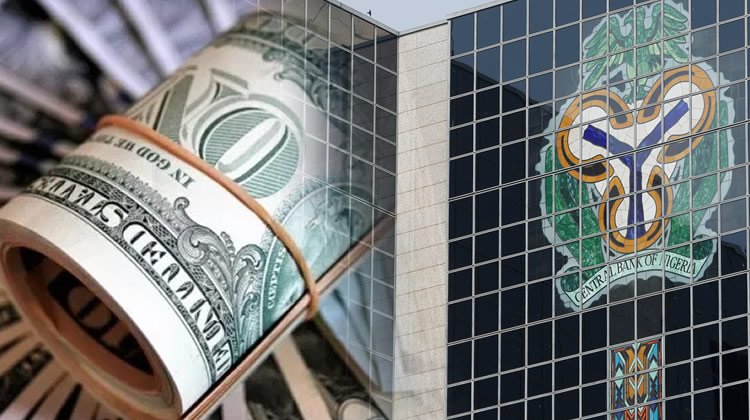




The narrative of “Africa Rising” has found a new focal point this week, and it is centered squarely on Nigeria. In a landmark report released on February 1, 2026, the International Monetary Fund (IMF) delivered a projection that has sent shockwaves through the continent’s financial hubs: Nigeria is officially on track to overtake South Africa as the leading contributor to global economic growth from the African continent in 2026.
For years, the title of “Africa’s Largest Economy” has been a volatile baton passed back and forth between Abuja and Pretoria, often determined more by currency fluctuations than industrial output. However, the IMF’s latest World Economic Outlook suggests a more structural shift is at play. According to the report, Nigeria’s economy is finally reaping the “bitter-sweet” rewards of the aggressive fiscal reforms initiated in 2023 and 2024.
What is Driving the Surge?
The IMF highlights three primary pillars behind Nigeria’s projected dominance:
- The Maturity of Reforms: The total removal of fuel subsidies and the unification of the exchange rate—actions that caused immense hardship in previous years—have finally stabilized. The IMF notes that the “volatility era” of the Naira has transitioned into a period of predictable, albeit slow, appreciation, encouraging a return of Foreign Direct Investment (FDI).
- Oil Production Recovery: After years of battling theft and aging infrastructure, Nigeria’s crude oil production has stabilized at a healthy 1.8 million barrels per day (mbpd), bolstered by new security frameworks in the Niger Delta and the operational maturity of the Dangote Refinery, which has slashed the country’s import bill.
- The Non-Oil Engine: Perhaps most importantly, Nigeria’s service sector—led by FinTech, creative industries, and a revitalized agricultural export chain—is growing at twice the rate of the traditional industrial sector.
The Tale of Two Giants
The comparison with South Africa is particularly poignant. While Nigeria is showing signs of a “rebound,” South Africa continues to grapple with systemic bottlenecks. The IMF report pointed out that persistent energy deficits (load-shedding) and logistical crises at South African ports have capped its growth potential at a meager 1.1% to 1.5%. In contrast, Nigeria is projected to maintain a growth trajectory of 4.2% through the end of 2026.
This shift isn’t just about bragging rights; it determines where global capital flows. As Nigeria reclaims the top spot, it becomes the primary destination for emerging market funds looking for African exposure.
A Reality Check for the Streets
Despite the celebratory tone in government circles, economists warn that “GDP growth” is not a synonym for “prosperity.” While the macro-economic numbers look stellar on a Washington D.C. spreadsheet, the average Nigerian is still navigating the scars of 2025’s record-high inflation.
“Being the largest economy is a vanity metric if it doesn’t translate to the dinner table,” says Dr. Amara Okechukwu, a Lagos-based economic analyst. “The government’s challenge for the rest of 2026 is to ensure this growth is inclusive. We need to see the ‘IMF growth’ reflected in lower food prices and higher purchasing power for the middle class.”
Looking Ahead
As we move further into 2026, all eyes will be on the Central Bank of Nigeria (CBN) to see if they can maintain the monetary discipline required to keep this projection on track. For now, the “Giant of Africa” title seems to have found its way back home, carrying with it both a sense of pride and a heavy burden of expectation.