


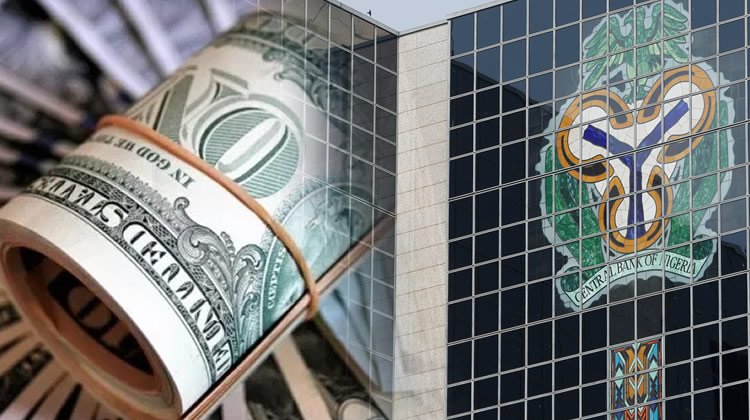
In a week that has already seen Nigeria projected to become Africa’s largest economy, a fresh set of data from the Central Bank of Nigeria (CBN) has provided the “hard math” to back up the optimism. On January 27, 2026, the CBN confirmed that Nigeria’s gross foreign exchange reserves have surged to $46 billion—the highest level the country has seen since 2018.
This milestone is being hailed by financial analysts as a significant turning point in the country’s journey toward currency stability and international creditworthiness. After years of hovering in the precarious 30bn – 33bn range, this $13 billion leap represents a formidable “war chest” that changes the dynamics of Nigeria’s engagement with global markets.
How Did We Get Here?
The jump to $46 billion didn’t happen by accident. According to treasury experts and the CBN’s quarterly briefing, three major factors converged to create this windfall:
- The Oil Production Recovery: For the first time in nearly a decade, Nigeria has consistently met and occasionally exceeded its OPEC quota. With production stabilized at 1.8 million barrels per day (mbpd) and a reduction in large-scale crude theft, the Nigerian National Petroleum Company (NNPC) has been able to remit significantly higher volumes of foreign exchange into the federation accounts.
- The Return of “Foreign Portfolio Investors”: The CBN’s aggressive interest rate hikes throughout 2025, combined with a transparent and unified exchange rate, have finally convinced foreign investors that the Naira is a safe bet. Capital importation has surged as “hot money” flows back into Nigerian bonds and treasury bills.
- The “Dangote Effect”: With the Dangote Refinery operating at full capacity and other modular refineries coming online, Nigeria’s demand for foreign exchange to import refined petroleum products has plummeted. This “import substitution” has allowed the country to retain billions of dollars that previously leaked out of the reserves every month.
What This Means for the Naira
For the average Nigerian, $46 billion is an abstract number, but its impact on the exchange rate is very real. A larger reserve gives the Central Bank the “firepower” to defend the Naira against speculative attacks. When the reserve was low, the CBN was often forced to watch helplessly as the currency depreciated. Today, the $46bn buffer provides a psychological and financial floor, signaling to the market that the CBN can satisfy legitimate demand for dollars.
“This is a massive confidence booster,” says financial analyst Kalu Idika. “When investors see a reserve of this size, they stop fearing a sudden devaluation. It creates a virtuous cycle: stability attracts investment, and investment increases the reserve.”
A Note of Caution
Despite the celebratory atmosphere in the halls of the CBN, some economists are urging the government to remain disciplined. They point out that while the stock of money is high, the flow must be managed to ensure it doesn’t just fund luxury imports. The focus, they argue, must remain on using this newfound stability to support local manufacturing and infrastructure that will eventually make the economy less dependent on forex in the first place.
The Road Ahead
As Nigeria enters the second month of 2026, the $46 billion reserve stands as a symbol of a “new normal.” It provides the federal government with the leverage needed to negotiate better terms on international loans and attracts the kind of long-term infrastructure investment that the country desperately needs. For the first time in years, Nigeria isn’t just surviving the global economic storm—it’s building a fortress against it.