





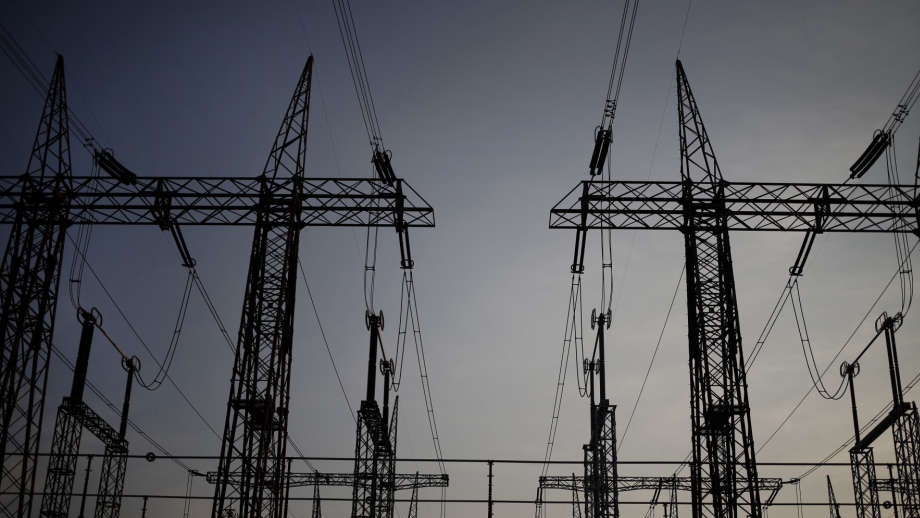
For the average Nigerian, the hum of a generator is a familiar, albeit frustrating, background noise. However, during the week of January 27 to February 2, 2026, that hum became a desperate roar as the national power grid suffered a catastrophic double failure, leaving a nation of over 200 million people in total darkness twice in a single week.
The first collapse occurred on the afternoon of Tuesday, January 27. Within minutes, major cities including Lagos, Abuja, Kano, and Port Harcourt reported a total loss of supply. While the Transmission Company of Nigeria (TCN) scrambled to restore power, the unthinkable happened: just as the system was stabilizing, a second, more severe collapse struck on Friday, January 30.
A System on Life Support
At the lowest point of the second collapse, data from the Independent System Operator (ISO) showed that national power generation had plummeted to a staggering 24 Megawatts (MW). To put that in perspective, that is barely enough to power a single large shopping mall, let alone a country that theoretically requires over 30,000MW to function at full capacity.
The TCN issued a statement attributing the failures to a “sudden frequency drop” caused by a fire at a major substation and “gas supply constraints” affecting thermal power plants. However, for many experts, these are merely symptoms of a deeper, systemic rot. Despite years of “intervention funds” and privatization efforts, the Nigerian grid remains a fragile, centralized entity where a single fault in one state can trigger a domino effect across the entire country.
The Economic Toll
The timing could not have been worse. As Nigeria celebrates news of its projected status as Africa’s largest economy, the “Week of Darkness” served as a sobering reality check.
Small and Medium Enterprises (SMEs)—the backbone of the economy—bore the brunt of the crisis. “I spent my entire weekly profit on diesel in just three days,” said Bolanle Adeyemi, a cold-room operator in Ibadan. “When the grid collapses, our businesses die. You can’t run a modern economy on ‘I pass my neighbor’ generators.”
Manufacturing hubs in Ogun and Lagos states reported massive production delays, with industry leaders warning that the high cost of alternative energy is making Nigerian-made goods uncompetitive even within the West African sub-region.
Political Backlash and the Call for Decentralization
The double collapse ignited a firestorm of criticism on social media and in the halls of the National Assembly. Opposition figures, including former presidential candidate Peter Obi, were quick to point out the irony of the situation. Obi described the grid’s failure as a “monumental national embarrassment,” arguing that no amount of economic data could mask the failure of basic infrastructure.
Public sentiment is now shifting heavily toward a total decentralization of the power sector. Energy analysts argue that the 2023 Electricity Act, which allowed states to generate and distribute their own power, is being implemented too slowly. The consensus is clear: Nigeria is too large to rely on a single, fragile “National Grid.” The future must lie in regional micro-grids, solar farms, and independent power projects (IPPs) that can operate even when the central system fails.
Conclusion
As power was slowly restored by February 2nd, the mood across the country remained tense. The “Week of Darkness” was not just a technical failure; it was a wake-up call. If Nigeria truly intends to lead Africa economically, it must first find a way to keep the lights on. Until then, every surge in GDP will be overshadowed by the sudden silence of a collapsing grid.